Counter-Strike 2016 vs 2026 – Ten Years of a Legend's Evolution
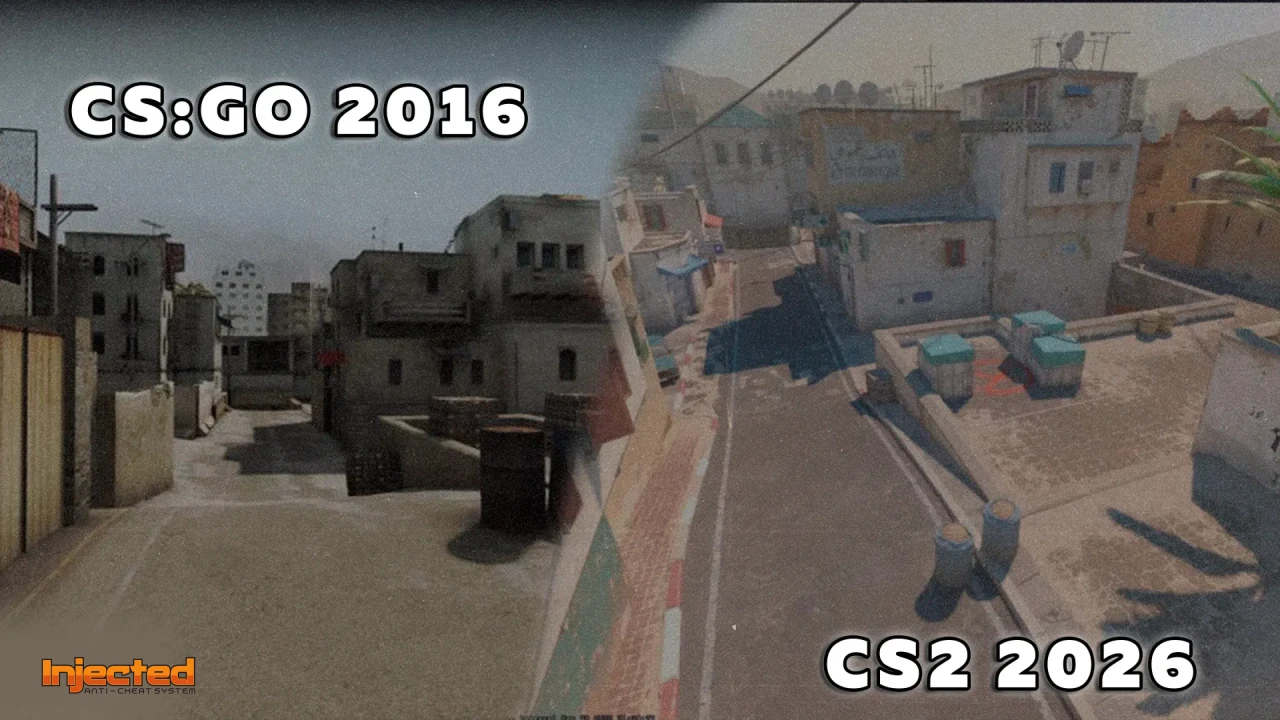
The transition from CS:GO to CS2 marks one of the most significant shifts in competitive gaming history. Over the past decade, Counter-Strike has evolved from a beloved tactical shooter into a modernized esports powerhouse with upgraded graphics, refined mechanics, and an entirely new engine. This article explores how the game transformed between 2016 and 2026, covering everything from map pool changes and csgo to cs2 rank conversion to the evolution of the most popular skins. Whether you're a returning veteran curious about how to play after the CS2 release or a newcomer wanting to understand the franchise's legacy, this comprehensive comparison reveals how ten years reshaped a gaming legend.
From CS:GO to CS2 – Complete Game Evolution
The journey from CS:GO to CS2 represents far more than a simple update. Valve fundamentally rebuilt Counter-Strike on the Source 2 engine, introducing changes that affected every aspect of gameplay while preserving the core tactical experience that made the franchise legendary.
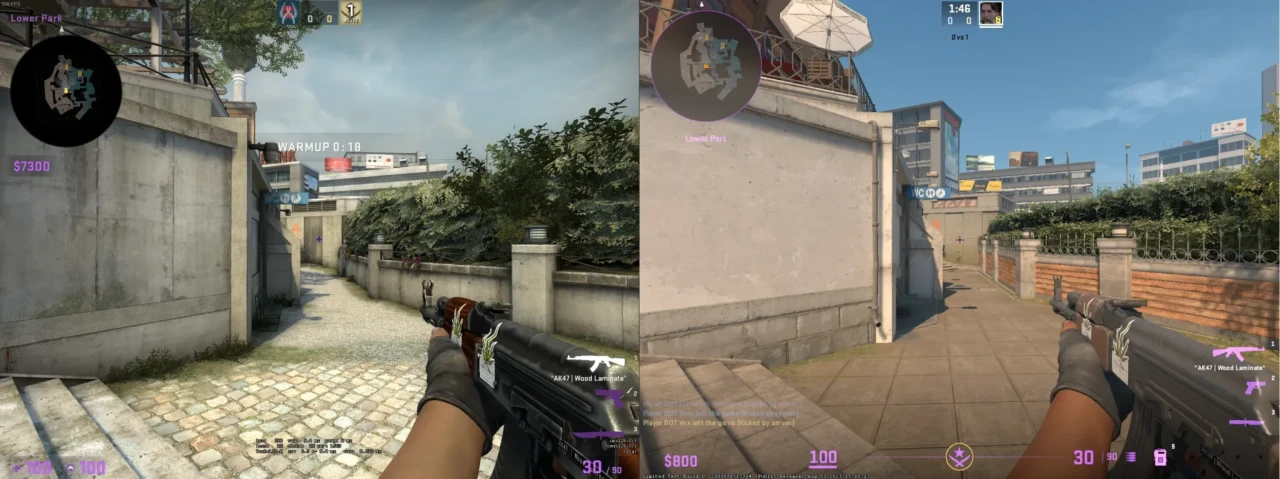
In 2016, CS:GO operated on the aging Source engine with limitations in lighting, physics, and visual fidelity. The game relied on static lighting and relatively simple particle effects. Movement mechanics, while refined over years of patches, still carried quirks from earlier iterations. Tick rates on official servers sat at 64, creating a noticeable gap between casual and competitive play experiences.
The CS2 release in 2023 changed everything. Source 2 brought dynamic lighting that responds to explosions, gunfire, and environmental changes. Smoke grenades became volumetric, reacting to bullets and grenades passing through them rather than acting as flat visual barriers. These seemingly small changes revolutionized tactical gameplay, creating new strategies and rendering old smoke lineups obsolete overnight.
For players transitioning between games, csgo to cs2 sensitivity remained mathematically identical, meaning your muscle memory transfers directly. However, the sub-tick architecture replaced the traditional tick rate system entirely. Instead of registering actions at fixed intervals, CS2 calculates the precise moment of each input, theoretically eliminating the advantage higher tick rate servers provided. This fundamental change affected how shots register and how movement feels, requiring even veteran players to adapt.
The visual overhaul extended beyond technical improvements. Character models received updates with better visibility against backgrounds, addressing years of community complaints about player models blending into dark corners. Maps underwent complete visual rebuilds while maintaining their competitive layouts. The result is a game that looks contemporary while feeling unmistakably like Counter-Strike.
Audio received similar attention. Directional sound became more accurate, with distinct audio profiles for different surfaces and environments. Players can now hear footsteps more clearly and identify positions with greater precision. The iconic weapon sounds were remastered, sparking initial controversy but eventually gaining acceptance as the new standard.
Map Pool Changes – From CS:GO Classics to CS2 Additions
The competitive map pool has always been central to Counter-Strike's identity, and the decade between 2016 and 2026 brought substantial changes to which battlegrounds define professional play.
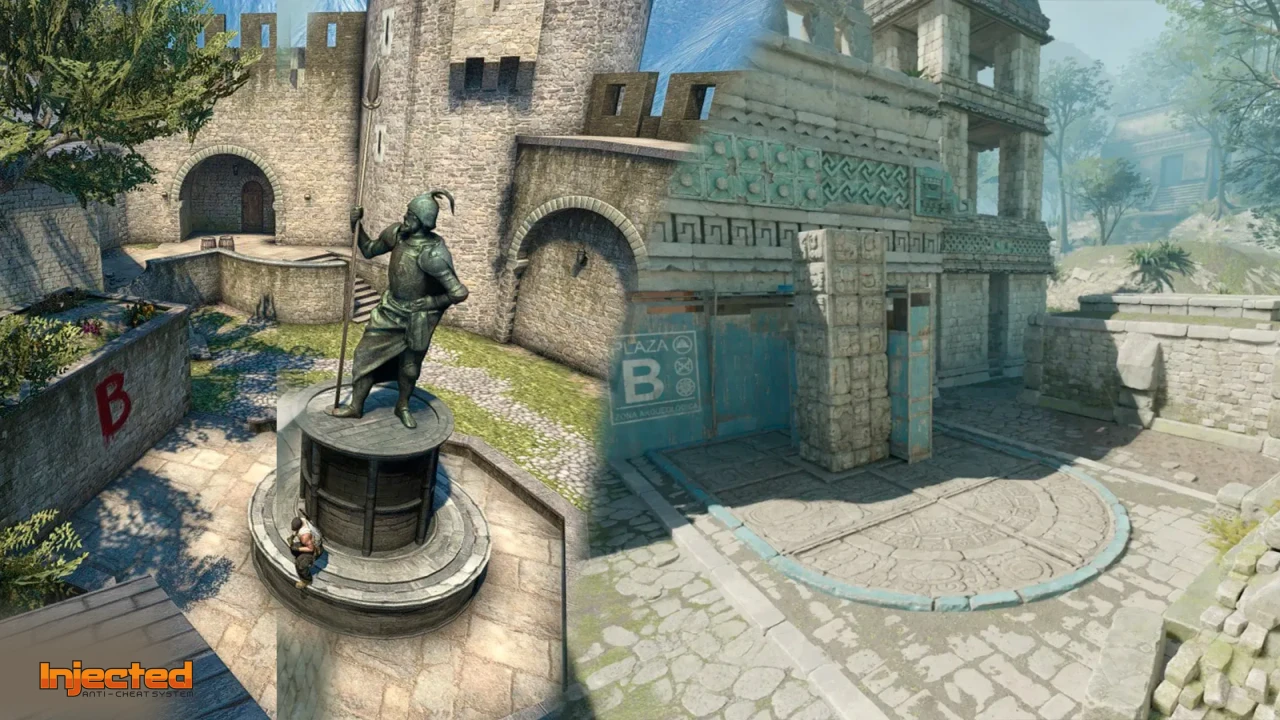
In 2016, the csgo map pool featured seven maps in active duty rotation. The lineup included legendary venues that had survived multiple iterations of the franchise. Dust2 stood as the most recognizable map in gaming history, while Mirage offered the balanced competitive experience that made it a permanent fixture. Inferno, Cache, Cobblestone, Overpass, and Train completed the roster, each offering distinct tactical challenges.
The map pool csgo history shows constant evolution even before CS2. Cache departed active duty in 2019, replaced by Vertigo after years in reserve. Ancient joined in 2021, bringing a visually striking jungle temple setting. Anubis entered rotation later, proving that new maps could achieve competitive acceptance with proper development.
| Map | 2016 Status | 2026 Status | Notable Changes |
|---|---|---|---|
| Dust2 | Active Duty | Active Duty | Complete visual rebuild in CS2 |
| Mirage | Active Duty | Active Duty | Updated textures and lighting |
| Inferno | Active Duty | Active Duty | Banana widened, apartments redesigned |
| Overpass | Active Duty | Active Duty | Connector and bathroom adjustments |
| Train | Active Duty | Reserve | Removed 2021, occasional returns |
| Cache | Active Duty | Reserve | Community-maintained updates |
| Cobblestone | Active Duty | Reserve | Removed 2017, rare appearances |
| Vertigo | Reserve | Active Duty | Added 2019, multiple revisions |
| Ancient | Not Released | Active Duty | Added 2021, CS2 optimized |
| Anubis | Not Released | Active Duty | Added 2022, competitive favorite |
| Nuke | Active Duty | Active Duty | Significant layout changes over decade |
The CS2 map pool maintains seven active duty maps, though the specific lineup continues rotating based on professional feedback and player statistics. Every classic map received Source 2 treatment, with improved lighting revealing new visual details while maintaining the precise angles and timings players spent years mastering.
Map design philosophy evolved considerably. Modern additions like Ancient and Anubis feature more complex verticality and multiple viable strategies for both sides. The days of heavily CT-sided or T-sided maps gave way to more balanced designs where economic advantages and tactical execution determine rounds more than inherent map bias.
For competitive players, understanding map pool history helps contextualize current meta development. Teams that dominated specific maps in 2016 may struggle on 2026 additions that favor different playstyles. The continuous evolution ensures Counter-Strike never stagnates while respecting the tactical depth that defines the franchise.
Professional Scene – A Decade of Esports Growth
The professional Counter-Strike scene underwent remarkable transformation between 2016 and 2026, evolving from a major esport into one of the most watched competitive gaming circuits globally.
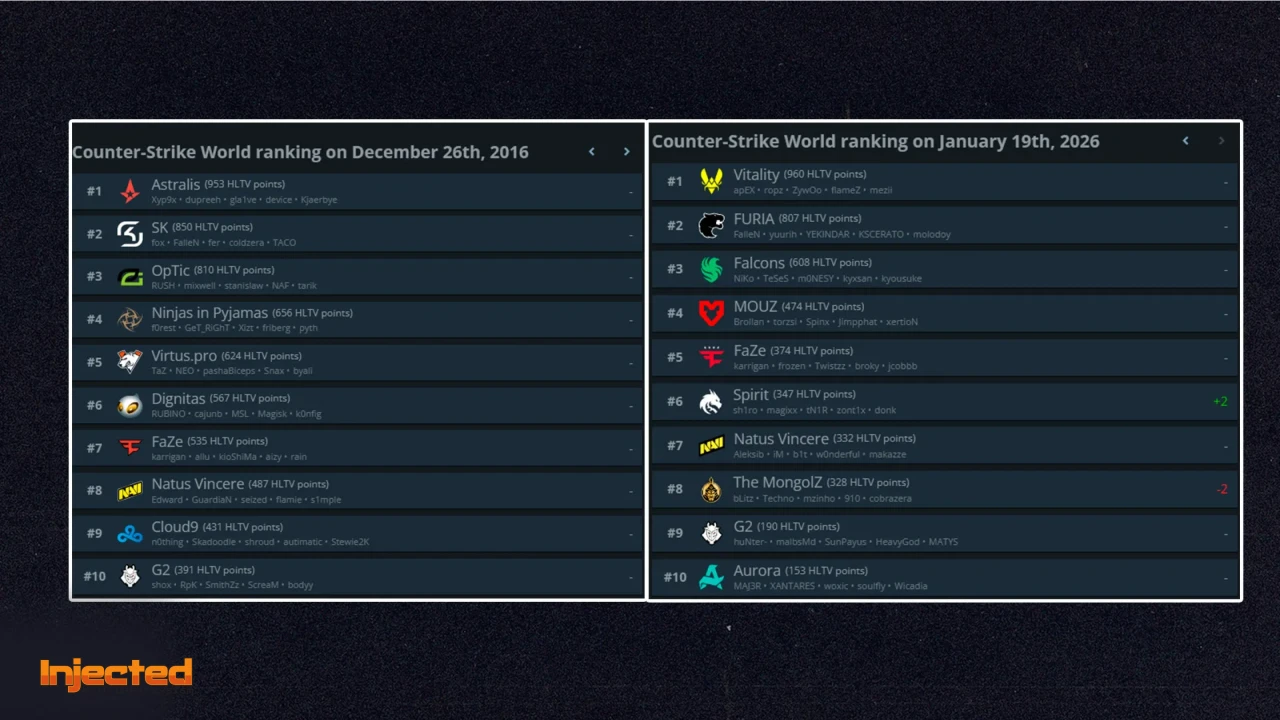
In 2016, the Valve Major system had established itself as the premier tournament structure. Two Majors per year offered $1 million prize pools, considered substantial at the time. Teams like Fnatic, Luminosity Gaming, and SK Gaming dominated headlines. The scene centered heavily on European and Brazilian talent, with North American teams struggling to achieve consistent international success.
Prize pools expanded dramatically over the decade. Modern Majors feature significantly larger rewards, while third-party tournaments from organizations like BLAST, ESL, and PGL offer year-round competition with substantial earnings. The total annual prize money available in Counter-Strike grew from approximately $19 million in 2016 to figures several times larger by 2026.
Tournament formats evolved alongside prize pools. The circuit system introduced structured seasons with points-based qualification for major events. This replaced the somewhat chaotic scheduling of earlier years where top teams might attend dozens of events annually. Player welfare became a consideration, with organizations implementing roster rules and schedule limitations to prevent burnout.
Regional development programs emerged to cultivate talent outside traditional powerhouses. While European teams maintained dominance, competitive rosters from previously underrepresented regions began achieving international results. The CS2 transition initially disrupted competitive hierarchies, as teams adapted to new mechanics at different rates, creating opportunities for emerging organizations.
The broadcast production quality transformed professional matches into premium entertainment products. 2016 streams featured relatively basic overlays and analysis desks. Modern productions rival traditional sports broadcasts with sophisticated graphics, multiple camera angles, instant replay systems, and comprehensive statistical analysis. Viewer numbers for Major finals regularly exceed one million concurrent viewers, with total viewership across platforms reaching tens of millions.
Best Skins CS2 – Popular Skins Evolution Then and Now
The Counter-Strike skin economy represents one of gaming's most fascinating marketplaces, with certain items achieving values exceeding luxury automobiles. Understanding how many skins are in CS:GO and how that library transferred to CS2 reveals the scale of this virtual economy.
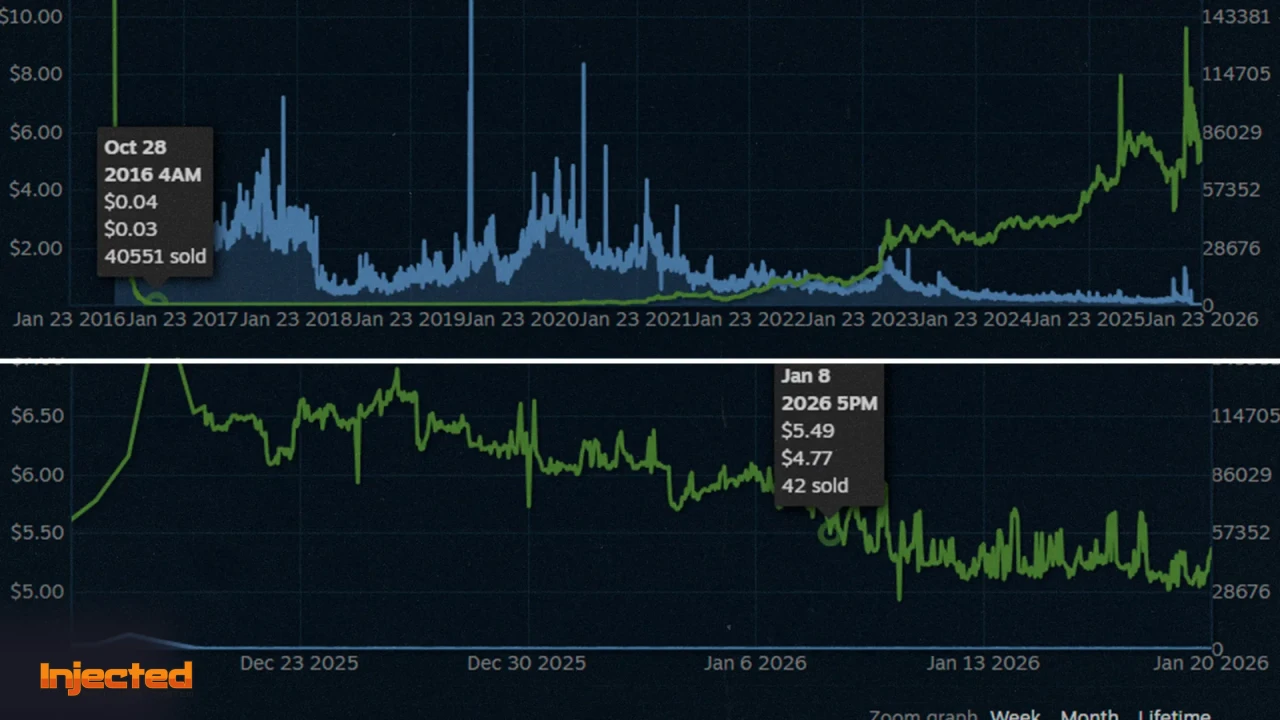
The total CS:GO skin count exceeded 1,500 unique weapon finishes across all collections, cases, and operations. When CS:GO transitioned to CS2, virtually all cs go skins to cs2 transferred automatically. Players retained their inventories without manual intervention, though some visual appearances changed slightly under Source 2's different lighting and shader systems.
The most popular csgo skins in 2016 reflected both aesthetic preferences and status signaling. The AWP Dragon Lore dominated wishlists as the ultimate prestige item, with pristine Factory New versions commanding five-figure prices. The M4A4 Howl held unique status as a contraband item, removed from cases due to copyright issues and thus permanently limited in supply. Karambit knives with Fade or Doppler patterns represented the pinnacle of knife collecting.
- AWP Dragon Lore – The legendary Cobblestone Collection drop remained the most coveted sniper skin across both eras, with prices for pristine conditions reaching extraordinary heights.
- AK-47 Fire Serpent – This Bravo Collection finish maintained popularity throughout the decade, its distinctive green snake design becoming iconic among rifle enthusiasts.
- M4A4 Howl – Contraband status ensured permanent scarcity, making this the only skin that cannot drop or unbox, preserving its extreme value.
- Karambit Fade – The curved blade with gradient coloring defined knife prestige, with 90/10 fade patterns achieving premium prices.
- AWP Medusa – Greek mythology meets tactical weaponry in this distinctive skin that appreciated significantly over ten years.
The best skins cs2 landscape evolved with new case releases while honoring classics. Newer collections introduced fresh aesthetics appealing to contemporary tastes. Glove skins, introduced in 2016, became established collectibles with their own prestige hierarchy. Charm attachments added another customization layer unique to CS2.
For players seeking cheap cool csgo skins that transferred to CS2, numerous affordable options deliver visual impact without significant investment. The Redline series across multiple weapons offers consistent quality at accessible prices. Asiimov patterns provide futuristic aesthetics for budget-conscious collectors. The coolest csgo skins often balance visual appeal with reasonable availability rather than pure rarity.
Market dynamics shifted with the CS2 transition. Initial uncertainty caused price volatility as traders assessed how skins would appear in the new engine. Some finishes gained value as Source 2 lighting enhanced their appearance, while others depreciated when visual changes proved unfavorable. The market eventually stabilized with most csgo top skins maintaining or exceeding their pre-transition values.
Conclusion – The Legacy Continues
The decade between 2016 and 2026 transformed Counter-Strike from a successful tactical shooter into a modernized gaming institution. The csgo to cs2 transition preserved everything that made the franchise legendary while introducing technological improvements that ensure relevance for years to come.
Map pool evolution maintained competitive freshness without abandoning beloved classics. The professional scene grew into a global entertainment product with production values rivaling traditional sports. Skin economies matured into sophisticated markets where virtual items hold genuine value.
For returning players wondering how to play cs:go after cs2 release, the answer is simple: those skills transfer directly. The csgo to cs2 ranks may have reset, but the fundamental gameplay knowledge accumulated over years remains valuable. Sensitivity settings carry over mathematically, map knowledge applies with visual updates, and game sense developed in CS:GO provides immediate advantages in CS2.
Counter-Strike's next decade promises continued evolution. Source 2 capabilities remain partially unexplored, new maps will join the competitive rotation, and the skin economy will expand with fresh collections. The legend that began over two decades ago continues growing, carrying millions of players from 2016's CS:GO through 2026's CS2 and beyond into whatever future awaits this defining franchise.
FAQ
How does csgo to cs2 rank conversion work?
When CS2 launched, all players received rank resets and had to complete placement matches in the new Premier mode. The traditional rank system (Silver to Global Elite) was replaced with a numerical rating system in Premier, while competitive mode retained classic ranks tied to specific maps. Your previous CS:GO rank had no direct conversion—everyone started fresh based on placement match performance, though skill-based matchmaking ensured experienced players quickly reached appropriate ratings.
Do all my CS:GO skins transfer to CS2?
Yes, your entire CS:GO inventory transferred automatically to CS2 without any manual action required. All weapon skins, knives, gloves, stickers, and other items carried over to the new game. Some skins appear slightly different due to Source 2's updated lighting and shader systems—certain finishes look better while others changed noticeably. Market values adjusted accordingly, but no items were lost in the transition.
Is it still possible to play CS:GO after CS2 release?
No, Valve permanently replaced CS:GO with CS2 in September 2023. The original game is no longer available for download or play through official channels. CS2 serves as a complete replacement rather than a separate title. Players who preferred CS:GO mechanics had to adapt to the new version, as Valve made no provisions for maintaining both games simultaneously. Your Steam library automatically updated CS:GO to CS2 with no option to revert.



/682668117-458854323-2c1aa02cd960100eed8ea1e2c42556fc_W5aQxWOa2FFUbXtJIlvJL3jftPUvKVt51Brp3hIw.png%20(1).webp)
/safe-cs2-gambling-website.webp)
/781050740-503912802-bccs-2__1_.webp)